Smartphone Addiction

Why Do We Continue Monitoring Our Smartphones When Nothing Interesting Is Existing?

Lets check how Smartphone Addiction is killing our Mental Wellbeing – While there are no fresh messages or notifications that are normal, a lot of individuals examine their mobile devices multiple times throughout the day. While certain individuals constantly check WhatsApp, Instagram, Facebook, or different platforms, others open social networking applications for no reason at all. People occasionally use mobile devices while completing tasks, acquiring knowledge, or conversing with others.

 Although phones have helped make conversation simpler, people now often examine them. This brings up a crucial query: why do we continue to stare at our mobile devices when no new information is available?

Social Networking Maintains Our Attendance – Social Media is killing us

Social media in general is a significant factor. Posts, videos, pictures, and news are always available on social media sites like Facebook, Instagram, Twitter, and YouTube. People may discover anything fresh for them to read or view every time they launch a new app.

Because they don’t prefer to miss a fascinating post, a crucial communication, or a notification shared by their close companions, individuals frequently check their mobile devices. They might come back in a few minutes even if they have previously verified their accounts.

It’s also simple to spend greater amounts of time than intended on these websites due to brief videos and never-ending browsing. Even if they may just use a smartphone app for a short while, they may use it for a lot longer.

The Practice of Analyzing Notifications is Smartphone Addiction

Another reason why individuals continually check their smartphones is notifications. A phone call, an app notification, or a note might draw awareness right away.

Even in the absence of a message, individuals sometimes check their mobile devices. This occurs as a result of their everyday habit of monitoring their phones. For instance, someone could grab their mobile device as soon as they wake up or when they’re waiting to catch a bus.

This procedure could ultimately be automated. Individuals can unlock their mobile devices regardless of the reasons behind what they do.

Read Also :- When you turn on Airplane Mode, what really occurs? 

Why Are We Curious About What’s Occurring?

People are inherently curious about their surroundings. Getting news, reading messages, and seeing what other people are accomplishing are all made simple with smartphones.

Now a days everything is available on smartphones. For completing every task we are getting an applications. And it is minimizing the use of other gadgets. And we are being use to smartphones in other words it is smartphone addiction.

Some people are also concerned if they don’t frequently check their mobile devices, they could miss a crucial update. They may open their applications more frequently as a result of this emotion.

But not all updates or notifications are crucial. Many notifications are able to wait until individuals are done with their education or employment.

How Learners Are Affected by Continuous Phone Monitoring?

Studying might become more troublesome if you frequently glance at your phone. While reading an entire chapter, an individual could pause many times to review texts or view videos.

Any disturbance has the potential to divert focus from what is being done at hand. The learner might require a moment to return to the class after examining their mobile device. As an outcome, it could take longer to finish a project or prepare for a test.

Interactions might also be impacted by using the phone. People might be paying less focus on the individual in the presence of them even though they are conversing with relatives or close companions while staring at their mobile devices.

If utilizing mobile devices shortly before bedtime keeps individuals up later than they originally intended, it may additionally lead to sleep disruptions.

Simple Techniques to Cut Down on Phone Monitoring

It’s not necessary for individuals to give up cellphones entirely. Alternatively, individuals may alter their regular routines in a few little ways.

Turning off alerts from unimportant applications is one easy step. People may feel less compelled to check their mobile devices as a result.

Also, learners can avoid using mobile devices while they are studying. They can improve their ability to concentrate on their task by reviewing their communications at scheduled pauses.

Avoiding using your mobile device as soon as you wake up is another helpful measure. Mornings might be spent being ready, having a nutritious breakfast, or making plans for the day.

People can additionally grow more conscious of how much of their time they spent online by establishing a time restriction for social media sites.

Striking the Right Balance Between Everyday Life and Phones

Cellphones are practical instruments for work, play, schooling, and communications. The issue arises when monitoring them starts to turn into a routine that interferes with day-to-day activity.

Without constantly staring at their devices, individuals may still get the benefits of innovation. Making smarter decisions starts with being conscious of mobile device usage.

Instead of avoiding smartphones, the goal is to use them only when absolutely necessary. Studying, working, and having conversations with people may sometimes be made more meaningful through putting the mobile device away and concentrating on the current job.

Frequenty Asked Questions (FAQ’S)

  1. Why do people constantly check their phones? Is this Smartphone Addiction?

    Due to habit, natural curiosity, or a fear of skipping texts, news, or online social media updates, people frequently glance at their phones.

  2. What are the effects on pupils of excessive phone checking?

    It may cause them to lose focus, disrupt their schoolwork, and find it more difficult to complete tasks on time.

  3. What are some ways that people may use their phones less? How to cut out the screen time?

    People may establish internet usage limitations, disable pointless alerts, and put their phones aside when working or studying.
What is Username?

Your Username Is More Than a Name: The Politics of Being Identifiable Online.

Social Media Username – We once used to introduce ourselves to people through conversations and collective experiences. Today increasingly we introduce ourselves through profiles, usernames and digital self.

A username may seem like nothing more than a nickname. Once it is attached to a particular account, it serves the purpose of being just more than a label; it allows the platform to recognise us , help other people find us .

A Name That Does More Than Identify Us

We call it a username. But is it really just a name or more than that ?

It shows us the difference between how we want to portray ourselves and how the platform allows us to present ourselves.

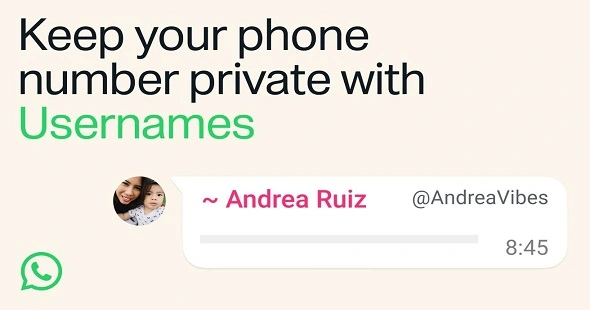
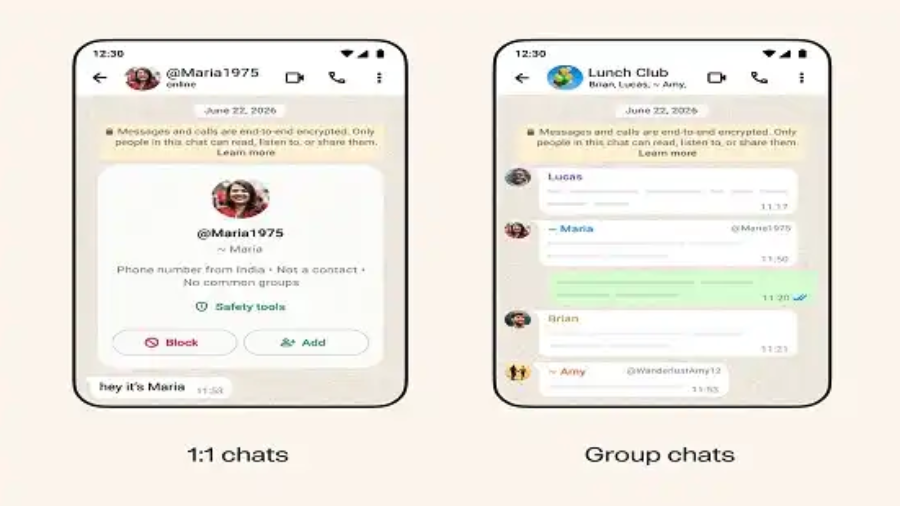
This particular issue became more clear in India in June 2026, when WhatsApp announced its feature of usernames. This feature basically allows users to connect with others without sharing their phone numbers immediately. This particular feature is presented by WhatsApp as giving its users an additional layer of privacy and greater control.

WhatsApp Usernames and the Debate Over Privacy

But the feature of usernames raised questions more than just convenience.

In July, the Indian Government asked WhatsApp to pause its feature of usernames in India while conferring. The government raised concerns that hiding phone numbers could make fraud and phishing easier. It also cautioned  that creation of similar usernames could make it easier for people to impersonate public figures or official organisations.

What seems like a debate over one WhatsApp feature actually raises a larger question about how we identify ourselves online.

The Balance Between Visibility and Privacy

It reminds us that our online identity is more than just a personal matter.

We usually think of usernames as a matter of something that we choose for ourselves. We may choose a nickname,or simply whatever is available. But once a platform links the name to our account, it becomes a part of the platform’s system that affects how searchable and visible we are online.

We are constantly balancing the need to be visible online with protecting our privacy.

We are asked to be identifiable, yet protect our identity. Be visible, yet private. Be authentic, but remain safe.

A username can offer some protection. Instead of sharing a phone number with someone they have just met, users can choose to share a username. For Professionals, students and everyday users, this small layer of privacy can make a real difference.

But privacy does not mean disappearing online.

A username can protect one piece of our personal information while making us visible in another manner. People can use it to recognise us , follow us or even impersonate us.

Who Controls Our Digital Identity?

And this is where the politics of online identity begins and a simple username becomes a question of power.

Not every individual has the same level of influence and power online. The consequences of copying a public figure or government institution can be very different from those faced by small scale business or an ordinary student.

The Indian Government raises a bigger question: who has the right to control our identity online once it becomes a part of a digital platform?

The issue becomes more complicated when we use one digital identity across multiple platforms.

Many people often use the same username across different social media platforms. When we use similar usernames in distinct places, they can connect different parts of our online lives. What seems as a convenient name can eventually become a trail through our online lives.

When Usernames Become a Digital Trail

Our digital identities are no longer restricted to one single platform.

They travel.

And as they travel, they begin to gather meaning.

How Technology Shapes the Way We Represent Our Names

This makes a digital identity a linguistic question too. India has many different ways of naming people. But once these names enter digital platforms, they have to fit the technical systems that decide which characters and formats can be used.

A name that feels completely natural and familiar in one language or cultural context, yet becomes difficult to represent when it enters the technical systems of a digital platform.

On the surface, this might seem to be a minor problem.

Yet what appears to be a small barrier can often reveal signs of deeper forms of digital inequalities.

A limit on character may seem technical. It can affect how a name is represented, while a search system can determine how that name can be found easily. In this manner, platform rules can therefore shape whose identities are more visible online.

Digital Inequality and the Question of Representation

This is why the politics of usernames goes beyond privacy.

Who gets to represent themselves online as they wish? Who must adapt their identity to fit the platform?  Who becomes visible, and who remains harder to find? And when an identity is misused or copied, whose identity does the platform protect?

These questions matter because platforms now do much more than help us communicate; they also shape how we are represented online.

Digital platforms are becoming a part of our daily lives. We use them to study, shop and maintain relationships. In India, WhatsApp has expanded beyond texting to include services such as recharges, payments and everyday other services.

Protecting Privacy Without Losing Accountability

The more deeply platforms become part of our daily lives, their power to shape our digital identities grows.

A username may seem like a minor technical feature, but it can have a much larger impact.

It is part of the digital system that makes people visible and identifiable online.

The goal should not be to choose between accountability and privacy. Digital platforms must find ways to protect both.

Rather than choosing between privacy and accountability, platforms and regulators should ask: How can people have greater control over the identities that they create online?

A username may be made of a handful of characters, yet its meaning can extend far beyond them.

Behind every username there is a real person whose identity extends beyond the screen. That person should have a say in how their identities are seen and represented online.

FAQs on Digital Identity / Username

  1. What distinguishes an internet username from a simple name?

    An individual’s online persona may include their internet username. It can demonstrate an individual’s desire for online recognition and representation.

  2. How do usernames influence one’s online persona?

    On social networking sites and other electronic mediums, usernames aid users in developing a specific identity. They have the power to affect how others see and comprehend them.

  3. Does internet presence have a political component?

    Indeed. The identification, classification, and visibility of users are determined by electronic platforms. This links issues of authority and control to online identities.

  4. Why is the importance of digital identification growing?

    Usernames, profiles, along with additional digital details are becoming progressively more crucial to how individuals are recognized since increasingly aspects of daily life shift digital.

Read my other blogs if you liked it

Connect with us on other Social Media Channel

YouTube: Click Here

Facebook: Click Here

Instagram: Click Here

LinkedIn: Click Here

Read my travel blogs at click here

WhatsApp Username

When Your WhatsApp Username Turns into Your Online Address – Update on Whatsapp

WhatsApp Username – As texting expands far beyond telephone numbers, individual identities, virtual identities, confidence, and interactions change.

For many years, providing an individual your WhatsApp contact information was equivalent to providing them with your mobile number. A mobile number was more than just a means to answer phone calls; it was also a portal to conversations, discussion communities, professional contacts, and individual connections.

The addition of WhatsApp usernames alters the standard structure.

A username can help individuals communicate without the need for instantly sharing mobile numbers. On first look, this might seem to be a minor advantage. It does, however, symbolize a larger change in how individuals develop and express themselves digitally.

A telephone number can identify an individual via a mechanism linked with their cell phone. A username, on the other hand, is an attribute that an individual can select.

That is an important distinction.

From Phone Number to Online Address

Consider a standard phone number to be a confidential address that individuals provide to specific contacts.. A username can act somewhat like a digital address, which is capable of being utilized more carefully in virtual environments.

Individuals, self-employed people, creators, and small-business proprietors may find this differentiation beneficial.

Students who are looking for internships might not necessarily prefer to publicly share their own phone number. A freelancer may prefer an independent personality for professional communications. A small business proprietor might want clients to be able to contact them even without providing their personal phone number.

A person’s username may function as a barrier among themselves and the individual trying to connect with them.

However, it’s additionally indicating that it’s easy to recognize.

Our choice of name indicates a certain thing regarding who we are.

Certain individuals go by their true names. Others may use first names, nicknames, corporate identities, or a variety of vocabulary that correspond to their passions. The decision may influence the manner in which they would like to be seen by those around them.

Younger generations of users of the internet, who typically establish separate identities throughout various platforms, are especially affected by this.

As a result, the WhatsApp username may serve as an additional platform for online self-expression.

At some point, an individual’s username may be linked to their current employment, online communities, or general public image. An individual’s online credibility may be impacted by what starts out as a practical substitute for disclosing a contact information.

In simple terms, the username could grow into a tiny but obvious element that represents the individual hidden behind the screen.

Why This Matters for Jharkhand
Image credit: WhatsApp / Meta.

Why This Matters for Jharkhand

This change is not only significant in urban areas.

Smartphones and texting apps are becoming more and more integrated into routine communication in Jharkhand. Students utilize them to coordinate their studies, youngsters to make connections, business owners to find clients, and households to stay connected throughout towns and communities.

For an individual operating a modest home-based enterprise in Ranchi, a WhatsApp username might serve as another means to establish a publicly accessible persona.

Prospective clients could receive a username from an area based tutor, professional photographer, artist, or vendor despite not inevitably exchanging their personal contact information initially.

When both business and private communications take place on the exact same mobile device, this difference can prove especially helpful.

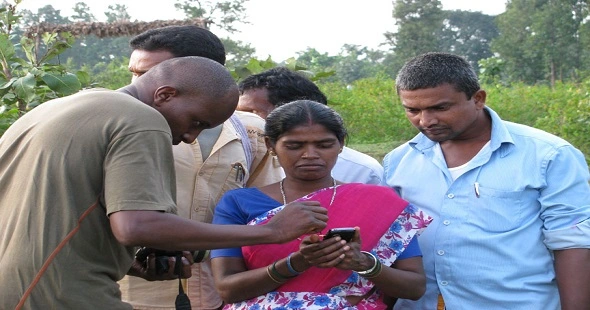
 IAPAD Burmu, Ranchi, Jharkhand case study
Image Credit IAPAD Burmu, Ranchi, Jharkhand case study

But Can a Username Build Credibility?

There is an additional aspect to this story.

When individuals meet via the internet, a phone number has always acted as no less than one distinctly recognizable means of contact. A username can express a sense of distance and flexibility.

This may be beneficial in terms of confidentiality, yet it may additionally make it difficult to determine the person associated with a user account.

A recognizable username is capable of being copied. An individual’s online presence could be different in comparison to their offline persona. As the importance of usernames grows, so does the risk of fake identities and miscommunication.

This indicates that digital proficiency requires more than just understanding the manner in which to establish an account and then write a text.

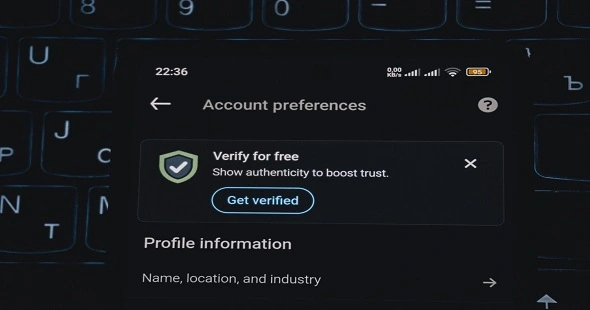
Users also have to learn the manner in which to identify fake profiles, verify identities, and exercise caution prior to trusting an unidentified digital persona.

Image Credit Zulfugar Karimov  Pexels
Image Credit Zulfugar Karimov Pexels

The Latest Online Address Book

The introduction of usernames could potentially alter the way individuals perceive information regarding their WhatsApp lists of contacts.

Instead of an address book based solely on contact information, individuals might more frequently communicate via a combination of private number data, usernames, and publicly accessible profiles.

This could lead to greater flexibility in digital interaction.

However, flexibility implies that individuals must decide what percentage of personal information they would like to share.

Should a username include your actual name? Should it disclose your occupation? Should it be associated with the persona you employ on different platforms?

These might seem like small choices right now. As online profiles grow more precious, such decisions can grow increasingly important.

Image Credit Pexels Wikimedia Commons

A Minor Feature with a Significant Relevance

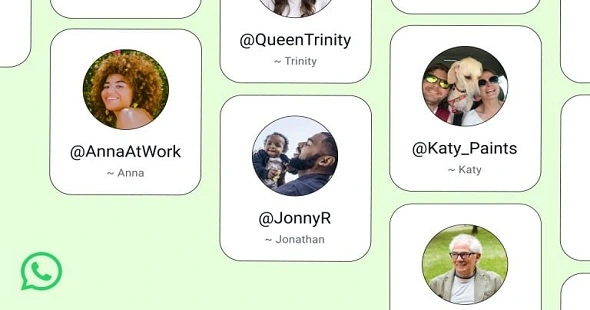
WhatsApp usernames are much more than simply a novel way to label a user account.

They correspond to a larger trend regarding online interaction: individuals are slowly developing separate identities that connect among their personal and professional lives.

Although the contact information is still essential, it doesn’t need to serve as the sole means for an individual to contact us.

Image Credit WhatsApp Meta

Users in Jharkhand may benefit from this in terms of schooling, job opportunities, business ventures, and daily interactions. At the same moment, it increases individual users’ accountability to comprehend the ways in which they build and safeguard their virtual identities.

The most compelling question may not be what username you are going to select.

What sort of personality will that username ultimately convey? Because as our discussions shift digitally, a username could turn into more than merely an initial on an interface. It might become our virtual address to the entire globe.

FAQs on WhatsApp username

  1. What is the meaning of a WhatsApp username?

    Instead of just using a user’s contact information to get in touch and recognize them, a WhatsApp username can serve as a virtual identifier.

  2. In what way is a WhatsApp username crucial?

    Usernames can affect the way that individuals portray their self, find other people, and establish an identifiable web presence as they represent a vital component of their online persona.

  3. How can a WhatsApp username alter one’s online persona?

    The username becomes a more significant component of the manner in which individuals are portrayed online as it replaces an individual phone number with an online persona defined by the person who uses it.

Connect with us on other Social Media Channel

YouTube : Click Here

Facebook : Click Here

Instagram : Click Here

LinkedIn : Click Here

Read my travel blogs at click here

Have you read my article? Leave your thoughts and comments below